6 lakes · levels updated hourly
Illinois lakes Lake levels today, boat ramps, camping & fishing
Lake by Lake follows 6 lakes and reservoirs in Illinois; the biggest is Carlyle Lake, at 24,037 acres. Their shores have 64 boat ramps, 70 campgrounds and 13 beaches and swim areas, and anglers come for bluegill, largemouth bass, crappie and catfish. Of the 3 with a known full pool, 3 are at or near full and 0 are below it.
- Lakes
- 6
- Boat ramps & marinas
- 83
- Campgrounds
- 70
- Beaches
- 13
Water watch: Illinois
High algae on the satellite
- Rend Lake high, 51% of the lake · Nov 9
- Carlyle Lake high, 13% of the lake · Nov 9
- Lake Shelbyville high, 11% of the lake · Nov 9
- Crab Orchard Lake high, 7% of the lake · Nov 9
EPA CyAN readings of the last two weeks, at the worst spot of each lake. What they mean
Popular Illinois lakes
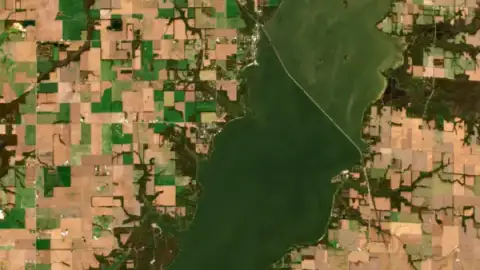
Carlyle Lake
Illinois
444.63 ft
−0.37 ft vs full
At or near full pool- 14 boat ramps
- 8 marinas
- 18 campgrounds
- 3 beaches and swim areas
Crappie, catfish
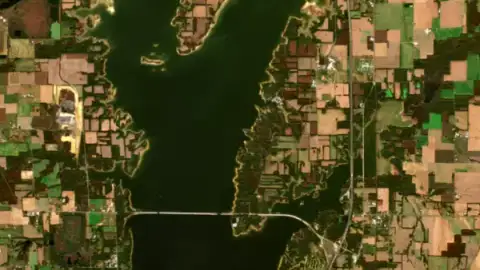
Rend Lake
Illinois
403.31 ft
−1.69 ft vs full
At or near full pool- 19 boat ramps
- 1 marina
- 14 campgrounds
- 1 beach or swim area
Crappie, bluegill
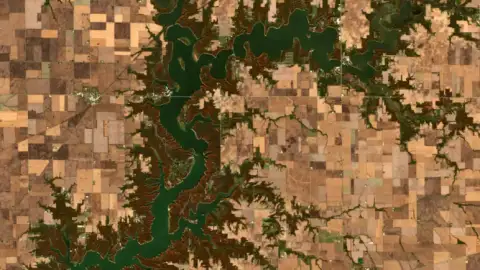
Lake Shelbyville
Illinois
598.73 ft
−0.97 ft vs full · −0.13 ft this week
At or near full pool- 15 boat ramps
- 5 marinas
- 25 campgrounds
- 5 beaches and swim areas
Bluegill, largemouth bass
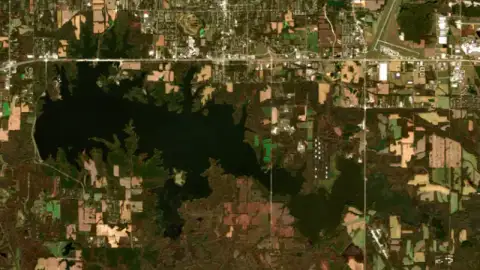
Crab Orchard Lake
Illinois
404.79 ft
Live reading- 12 boat ramps
- 3 marinas
- 2 campgrounds
- 1 beach or swim area
Largemouth bass, crappie
All Illinois lakes and reservoirs
A–Z · size, what is on the shore, main fish and today’s level (feet above sea level)- Boat ramps
- Marinas
- Campgrounds
- Beaches and swim areas
- Trails
- Places to stay
| Lake | Size | On the shore | Level (ft) | vs full | 7 days |
|---|---|---|---|---|---|
| Carlyle Lake At or near full pool Clinton County · Crappie, catfish | 24,037 ac |
| 444.63 | −0.37 | — |
| Crab Orchard Lake Live reading Williamson County · Largemouth bass, crappie | 7,281 ac |
| 404.79 | — | — |
| Devils Kitchen Lake Live reading Williamson County · Rainbow trout | 679 ac |
| 507.95 | — | — |
| Lake Shelbyville At or near full pool Shelby County · Bluegill, largemouth bass | 11,215 ac |
| 598.73 | −0.97 | −0.13 |
| Little Grassy Lake Live reading Williamson County · Largemouth bass, bluegill | 912 ac |
| 447.31 | — | — |
| Rend Lake At or near full pool Franklin County · Crappie, bluegill | 18,318 ac |
| 403.31 | −1.69 | — |
Things to do on Illinois lakes
-
Boating
83 boat ramps and marinas on 6 lakes
-
Fishing
6 lakes with game fish on record
-
Camping
70 campgrounds and RV parks on 6 lakes
-
Swimming
13 beaches and swim areas on 5 lakes
-
Hiking
39 trails along the shore on 6 lakes
-
Cabins & resorts
22 cabins, resorts and lodges on 4 lakes
Dropping the most this week
| Lake | Level (ft) | vs full | 7 days |
|---|---|---|---|
| Lake Shelbyville At or near full pool | 598.73 | −0.97 | −0.13 |
Lakes near Illinois cities
All cities →- Lakes near Aurora 4 lakes
- Lakes near Rockford 6 lakes
- Lakes near Elgin 8 lakes
Questions about Illinois lakes
What is the biggest lake in Illinois?
Of the 6 lakes we follow, Carlyle Lake is the biggest, with about 24,037 acres of water, followed by Rend Lake (18,318 acres) and Lake Shelbyville (11,215 acres).
Which Illinois lake has the most boat ramps?
Carlyle Lake, with 22 public boat ramps and marinas on our map, then Lake Shelbyville (20) and Rend Lake (20). Low water can close ramps: check the level before you go.
Where can I camp on a lake in Illinois?
Lake Shelbyville (25 campgrounds), Carlyle Lake (18 campgrounds) and Rend Lake (14 campgrounds) have the most campgrounds and RV parks on the shore, among 6 Illinois lakes with camping.
Where can I swim in a lake in Illinois?
Beaches and swim areas line Lake Shelbyville, Carlyle Lake and Little Grassy Lake and 2 more Illinois lakes. Check for algae advisories and posted rules before swimming.
Which Illinois lakes are the lowest right now?
Rend Lake (1.7 ft below full), Lake Shelbyville (1.0 ft below full), Carlyle Lake (0.4 ft below full).
Where do these Illinois lake levels come from?
From the gauges of the U.S. Geological Survey, NOAA, the Army Corps of Engineers, the Tennessee Valley Authority, the Bureau of Reclamation and state agencies and utilities (Texas, California, New Hampshire, the Salt River Project). Readings are checked every hour.
Do I need a fishing license for Illinois lakes?
Anglers 16 and older need an Illinois fishing license, sold online by the Illinois Department of Natural Resources. Free fishing days: Third weekend in June (Friday through Monday). Size and bag limits can be set lake by lake: check the current regulations.
What does “full pool” mean?
It is the level a reservoir is managed to hold when it is full for normal use — the top of the conservation (or power) pool. Above it, water is stored temporarily for flood control. Natural lakes have no full pool.