Top 7
Best swimming lakes in Alabama
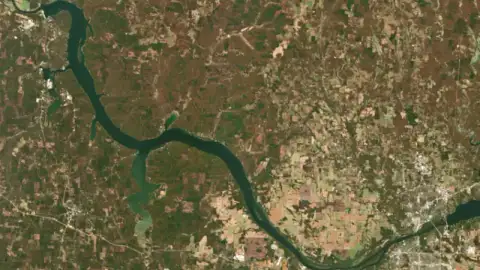
Lake Guntersville, Wilson Lake and Wheeler Lake lead our list of the best lakes for swimming in Alabama. It ranks all 7 that qualify by their beaches and swim areas, how clear the water is, and the parks and campgrounds beside them. Every lake links to its swimming page, with the water temperature, the latest algae readings and any advisory in effect.
-
Lake Guntersville
Marshall County 1.3 ft below full today
- 7 beaches and swim areas
- Fairly clear water (you can see about 6.0 ft down)
- 20+ parks on the shore
- 34 campgrounds
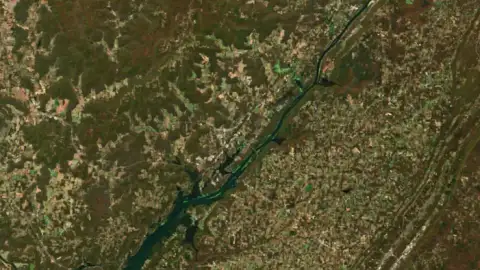
Lake Guntersville is the Tennessee River held back by the Tennessee Valley Authority's Guntersville Dam in northeast Alabama. It runs 75 miles, from Nickajack Dam just inside Tennessee down past Bridgeport to the dam below the town of Guntersville, and it is the largest lake in Alabama.
-
Wilson Lake
Lauderdale County 1.0 ft below full today
- 5 beaches and swim areas
- Murky water (you can see about 3.3 ft down)
- 13 parks on the shore
- 15 campgrounds
-
Wheeler Lake
Lauderdale County 3.5 ft below full today
- 4 beaches and swim areas
- Fairly clear water (you can see about 5.2 ft down)
- 19 parks on the shore
- 15 campgrounds
-
Logan Martin Lake
Talladega County 2.3 ft below full today
- 4 beaches and swim areas
- Murky water (you can see about 3.3 ft down)
- 7 parks on the shore
- 22 campgrounds
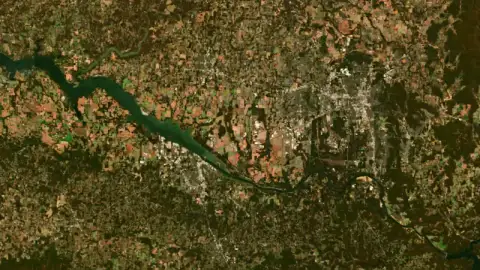
Logan Martin Lake is an Alabama Power reservoir on the Coosa River about 30 miles east of Birmingham, stretching between St. Clair and Talladega counties from Neely Henry Dam down to Logan Martin Dam near Vincent. Pell City is the nearest city.
-
Lewis Smith Lake
Walker County 12.2 ft below full today
- 2 beaches and swim areas
- Clear water (you can see about 11 ft down)
- 5 parks on the shore
- 19 campgrounds
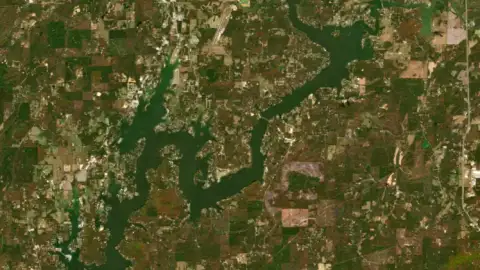
Lewis Smith Lake, known to most people as Smith Lake, is an Alabama Power reservoir on the Sipsey Fork of the Black Warrior River in north-central Alabama.
-
Lake Martin
Tallapoosa County 7.5 ft below full today
- 1 beach or swim area
- Clear water (you can see about 8.2 ft down)
- 6 parks on the shore
- 9 campgrounds
Lake Martin is the Alabama Power reservoir on the Tallapoosa River in east-central Alabama, held back by Martin Dam southwest of Dadeville. When the dam closed in 1926 it made the largest man-made lake in the world.
-
Neely Henry Lake
Calhoun County 1.1 ft below full today
- 1 beach or swim area
- Murky water (you can see about 2.6 ft down)
- 2 parks on the shore
- 3 campgrounds
How this list is made
Lakes are ranked by the number of beaches and designated swim areas on their shore, the clarity of the water in summer (Secchi depth measured by state agencies and volunteers, where there are readings), the parks and campgrounds beside them and how much people look them up. A lake needs at least one beach or swim area to be listed. Nothing here is paid for.
The order comes from our data, not from anyone's opinion or payment, and it changes as the data does. A lake we have little data for can rank lower than it deserves: tell us through the contact form if something is missing.
What is the best lake for swimming in Alabama?
By what our data shows, Lake Guntersville comes first, with 7 beaches and swim areas and water you can see about 6.0 feet into. Wilson Lake and Wheeler Lake follow.
Which lake in this list has the clearest water?
Lewis Smith Lake: in summer a white disk lowered into the water stays visible to about 11.0 feet (the median of the readings of state agencies and volunteer monitors).
Is it safe to swim in a lake?
Usually, with care. Swim at marked beaches, never alone, and wear a life jacket away from shore: lake water is murky, drops off quickly and is colder below the surface. Stay out of water with a green scum or paint-like streaks (a blue-green algae bloom) and of posted advisories; each lake page shows the latest algae reading and official advisories. In spring, when the air is warm and the water is still cold, cold water shock is the main danger.
How is this list made?
Lakes are ranked by the number of beaches and designated swim areas on their shore, the clarity of the water in summer (Secchi depth measured by state agencies and volunteers, where there are readings), the parks and campgrounds beside them and how much people look them up. A lake needs at least one beach or swim area to be listed. Nothing here is paid for.