Top 15 of 16
Best swimming lakes in Ohio
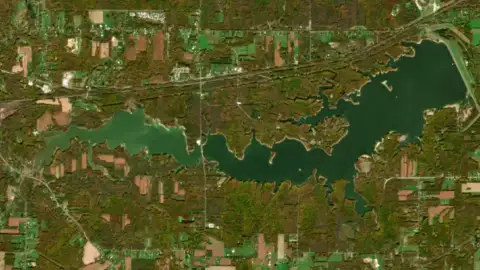
Indian Lake, Buckeye Lake and Grand Lake St. Marys lead our list of the best lakes for swimming in Ohio. It ranks the top 15 of the 16 that qualify by their beaches and swim areas, how clear the water is, and the parks and campgrounds beside them. Every lake links to its swimming page, with the water temperature, the latest algae readings and any advisory in effect.
-
Indian Lake
Logan County 996.1 ft today
- 2 beaches and swim areas
- Murky water (you can see about 1.0 ft down)
- 7 parks on the shore
- 27 campgrounds
Indian Lake is a shallow state park lake in Logan County, in west-central Ohio, and one of the largest reservoirs in the state. The Great Miami River begins at its outlet.
-
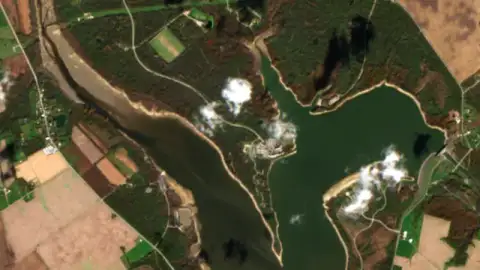
Buckeye Lake
Licking County 891.5 ft today
- 2 beaches and swim areas
- 7 parks on the shore
- 4 campgrounds
-
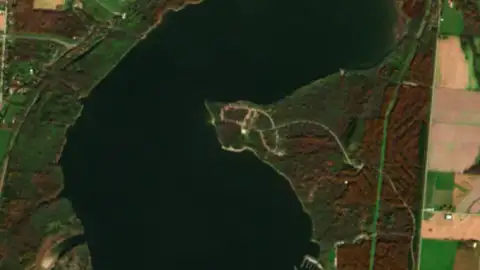
Grand Lake St. Marys
Mercer County 870.8 ft today
- 1 beach or swim area
- 10 parks on the shore
- 6 campgrounds
An official algae advisory is in effect on this lake: check before you swim.
Grand Lake St. Marys is the largest inland lake in Ohio, a broad, shallow reservoir in Mercer and Auglaize counties between the cities of Celina and St. Marys, about 23 miles southwest of Lima.
-
Atwood Lake
Tuscarawas County 1.8 ft below full today
- 3 beaches and swim areas
- Murky water (you can see about 2.8 ft down)
- 1 park on the shore
- 2 campgrounds
-
Senecaville Lake
Guernsey County 0.2 ft above full today
- 2 beaches and swim areas
- Murky water (you can see about 1.6 ft down)
- 1 park on the shore
- 4 campgrounds
-
Harsha Lake
Clermont County 3.5 ft below full today
- 3 beaches and swim areas
- 2 parks on the shore
- 2 campgrounds
-
Alum Creek Lake
Delaware County 2.5 ft below full today
- 2 beaches and swim areas
- 3 parks on the shore
- 6 campgrounds
-
Caesar Creek Lake
Warren County 2.6 ft below full today
- 2 beaches and swim areas
- 6 parks on the shore
- 2 campgrounds
-
Leesville Lake
Carroll County 2.5 ft below full today
- 1 beach or swim area
- Fairly clear water (you can see about 4.8 ft down)
- 1 park on the shore
- 8 campgrounds
-
Tappan Lake
Harrison County 0.8 ft below full today
- 1 beach or swim area
- Murky water (you can see about 1.7 ft down)
- 2 parks on the shore
- 3 campgrounds
-
Mosquito Creek Lake
Trumbull County 2.1 ft below full today
- 1 beach or swim area
- 4 parks on the shore
- 4 campgrounds
-
Michael J Kirwan Reservoir
Portage County 4.9 ft below full today
- 1 beach or swim area
- 3 parks on the shore
- 2 campgrounds
-
Deer Creek Lake
Pickaway County 10.4 ft below full today
- 1 beach or swim area
- 2 parks on the shore
- 2 campgrounds
-
Clarence J Brown Reservoir
Clark County 2.4 ft below full today
- 1 beach or swim area
- 1 park on the shore
- 1 campground
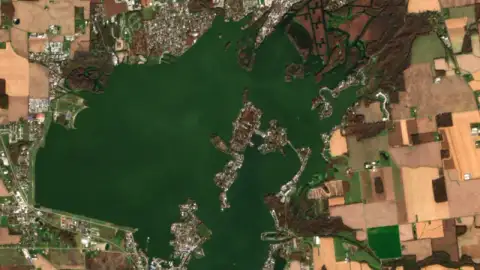
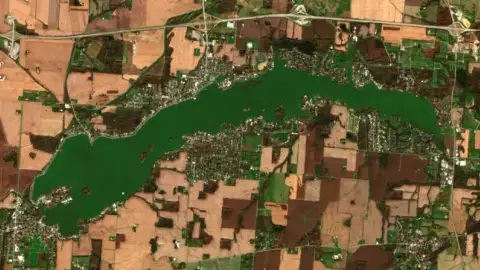
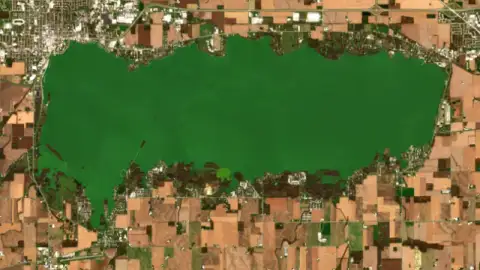
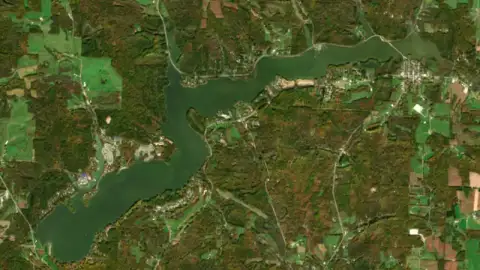
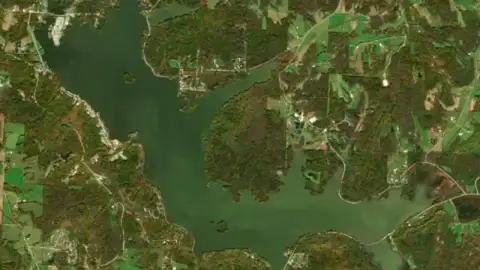
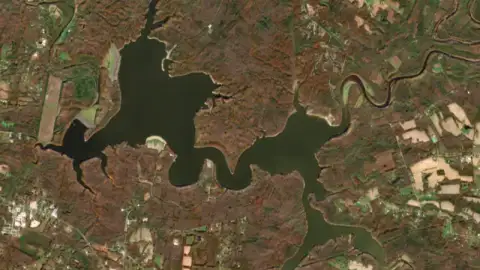
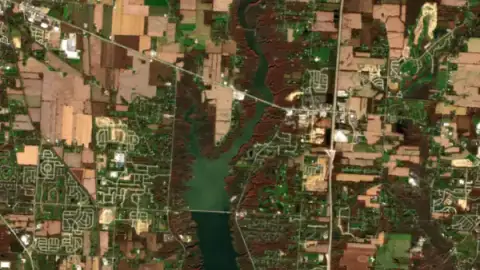
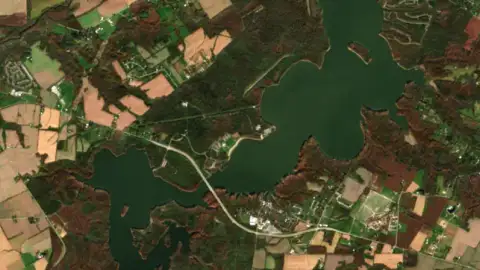
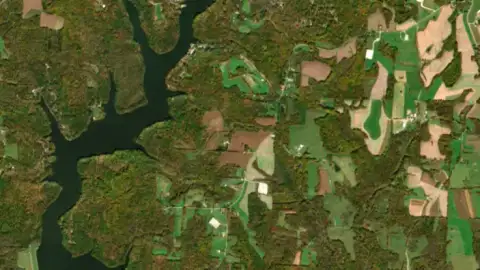
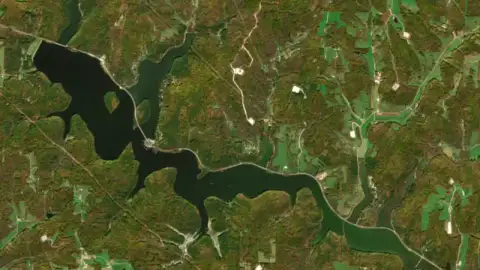
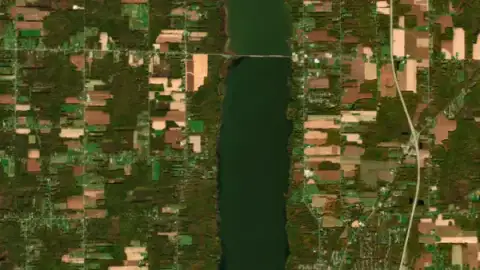
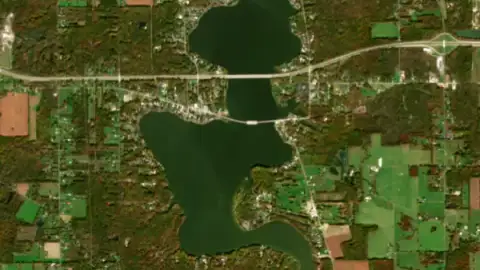
The top 15 of the 16 Ohio lakes that qualify.
How this list is made
Lakes are ranked by the number of beaches and designated swim areas on their shore, the clarity of the water in summer (Secchi depth measured by state agencies and volunteers, where there are readings), the parks and campgrounds beside them and how much people look them up. A lake needs at least one beach or swim area to be listed. Nothing here is paid for.
The order comes from our data, not from anyone's opinion or payment, and it changes as the data does. A lake we have little data for can rank lower than it deserves: tell us through the contact form if something is missing.
What is the best lake for swimming in Ohio?
By what our data shows, Indian Lake comes first, with 2 beaches and swim areas and water you can see about 1.0 feet into. Buckeye Lake and Grand Lake St. Marys follow.
Which lake in this list has the clearest water?
Leesville Lake: in summer a white disk lowered into the water stays visible to about 4.8 feet (the median of the readings of state agencies and volunteer monitors).
Is it safe to swim in a lake?
Usually, with care. Swim at marked beaches, never alone, and wear a life jacket away from shore: lake water is murky, drops off quickly and is colder below the surface. Stay out of water with a green scum or paint-like streaks (a blue-green algae bloom) and of posted advisories; each lake page shows the latest algae reading and official advisories. In spring, when the air is warm and the water is still cold, cold water shock is the main danger.
How is this list made?
Lakes are ranked by the number of beaches and designated swim areas on their shore, the clarity of the water in summer (Secchi depth measured by state agencies and volunteers, where there are readings), the parks and campgrounds beside them and how much people look them up. A lake needs at least one beach or swim area to be listed. Nothing here is paid for.